Who Are APIs Really For?
When you log in to a service on your smartphone.
When an online store ships your order.
When your appointment at a clinic or hair salon is coming up.
In moments like these, we receive notifications and messages from various systems.
Behind the scenes, multiple systems are working together to make these interactions possible.
One of the technologies that enables this connection is the API.
What Exactly Is an API?
API stands for Application Programming Interface.
Simply put, an API is a way for different systems and services to communicate and exchange information or functionality through a defined interface.
Imagine you're developing an appointment booking system.
Your system handles reservations and manages customer information.
But what if you want to send customers an SMS reminder the day before their appointment?
You don't need to build and maintain all the infrastructure required to send SMS messages yourself.
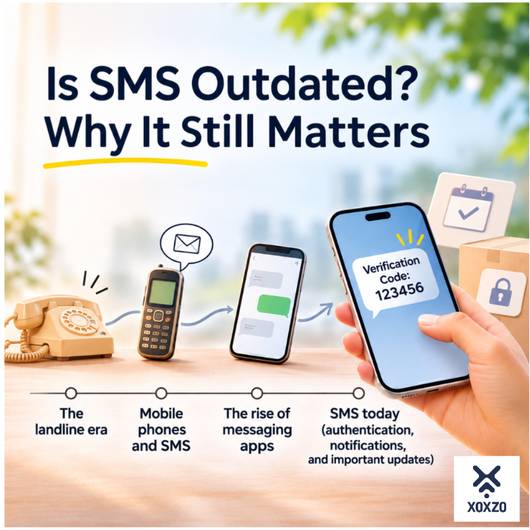
By using an SMS API, your booking system can send a request to an SMS service and integrate messaging functionality into your application.
You can add the features your service needs without having to build everything from scratch.
That's one of the key benefits of using APIs.
Developers Are the Ones Who Use APIs
Reading API documentation, writing code, and connecting systems.
These tasks are primarily carried out by developers.
API providers also prepare documentation and sample code to help developers integrate their services.
What kind of request should be sent?
What response will the API return?
What should happen when an error occurs?
These are all important questions.
But let's look at APIs from a slightly different perspective.
APIs are used by developers, but the people who benefit from them go far beyond developers.
For the People on the Other Side
Someone receiving an SMS appointment reminder may have no idea which API was used to send it.
Someone receiving a verification code while logging in probably doesn't think about the systems working behind the scenes.
And that's perfectly fine.
They remembered their appointment.
They were able to log in securely.
They received important information when they needed it.
For the people using a service, what matters isn't necessarily the technology itself, but what that technology makes possible.
When developers choose an API, it's worth thinking about the people who will ultimately use the service.
Will the message be sent at the right time?
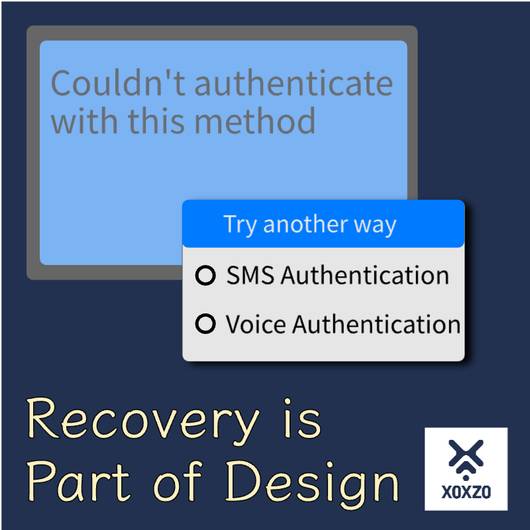
If something goes wrong, is there another way forward?
Can the experience be made simpler for the user?
APIs connect systems, but connecting systems isn't the ultimate goal.
You Don't Have to Build Everything Yourself
When developing a service, there's no need to create every feature from scratch.
Build what makes your service unique, and make use of existing technologies where they can help.
This allows developers to spend more time creating the value that matters most to their users.
For an appointment booking system, that might mean making reservations easier or helping staff manage their daily work.
For a membership service, it might mean helping users navigate the service smoothly and securely.
These are the things developers really want to focus on.
APIs aren't just about reducing development effort.
They're also about giving developers more freedom to build better services.
Build What Your Users Need.
At Xoxzo, we provide APIs for SMS messaging, voice communication, phone services, and authentication.
What we build is communication infrastructure.
But how that infrastructure is used depends on the ideas of the developers who build with it.
It might be an appointment reminder.
It might be a verification code for logging in.
Or it might be an entirely new service that we haven't even imagined yet.
Build what your users need.
Create what truly matters to the people using your service.
Bring the right functionality to the right place.
An API is just one small building block that helps make this possible.
And beyond that small building block, there is always someone whose everyday life it can make a little better.

Aiko Yokoyama
Customer Success and Operations
Joined January 2014. Experienced as a clerk in Foreign Trading company, started and maintained an online supplement store. Lived in overseas for 15 years. Looking forward to communicating our customers with the broad view based on those experience.