Preparing Our Lives, Workplaces, and Systems for Disasters
September 1 is Disaster Prevention Day in Japan.
We stock emergency food and water.
We check evacuation sites and hazard maps.
We decide how to contact our families.
At workplaces, we may also review evacuation routes and emergency contact procedures.
We never know when a disaster will happen.
And when one does, things we normally take for granted may suddenly become unavailable.
Electricity.
Roads.
Public transportation.
The internet.
Telephone services.
That's why we don't rely on just one option. We prepare by asking:
"What will we do if this isn't available?"
But what about our systems?
Does Your System Have an "Escape Route"?
Imagine a system that needs to deliver important information to its users.
Under normal circumstances, an app push notification may be enough.
But what if:
"There's no internet connection?"
"The user can't open the app?"
"They don't notice the notification?"
Does the information simply reach a dead end?
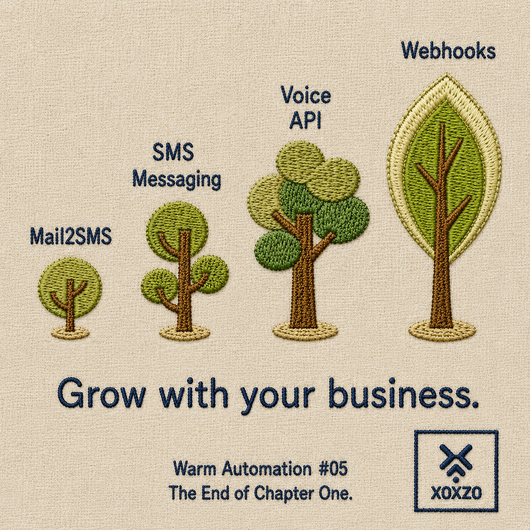
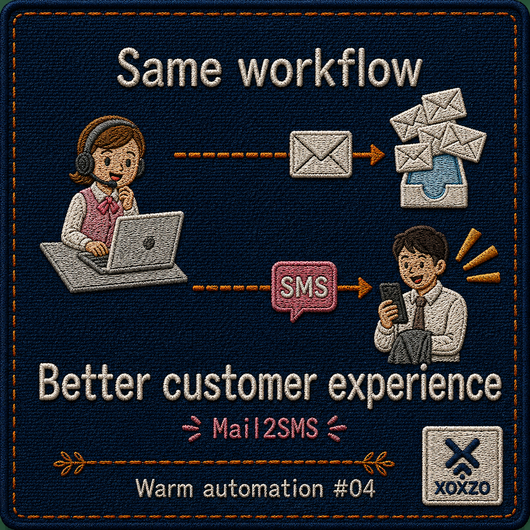
If an app notification isn't an option, perhaps an SMS can be sent.
If SMS doesn't work, perhaps a voice call can be made.
If that doesn't work either, there may be another way.
The appropriate route will depend on the system, its users, and the information that needs to be delivered.
What matters is:
Don't put all your trust in a single communication method.
This isn't an unusual idea.
Just as a building has emergency exits, information can have alternative ways out, too.
That can also be part of good system design.
Instead of "It Should Work," Ask "What If It Doesn't?"
When we design systems, we naturally think about how things should work.
Communication succeeds.
Authentication succeeds.
Data can be retrieved.
Notifications are delivered.
Of course, all of that is important.
But unexpected things happen—not only during disasters.
Network outages.
Service outages.
Device failures.
Problems with a user's connection.
And situations we have never experienced before.
We can't predict every possible "what if."
That's exactly why it's important to include one question in the design process:
"If this doesn't work, what happens next?"
Prepare Another Route
When a communication method isn't available, we don't necessarily have to keep trying to use the same route.
Sometimes, we can switch to a different one.
A notification delivered over the internet.
An SMS sent to a mobile phone number.
A voice call that rings the user's phone and delivers a message.
Each reaches people in a different way.
When one route is unavailable, having another route with different characteristics gives the system another option.
From this perspective, SMS and voice calls don't have to be features used every day.
They can also be designed as alternative "escape routes" within a system.
Of course, SMS and voice calls aren't infallible either.
That's exactly why having multiple options matters.
You Can't Build an Emergency Route After the Emergency Begins
Once a disaster has already happened, it may be too late to start asking:
"How should we notify our users?"
"How should we contact our employees?"
"What should we do about people who didn't receive the notification?"
We don't wait until after a disaster to prepare emergency food.
We don't wait until a fire starts to plan an evacuation route.
In the same way,
we should design our system's "escape routes" while everything is still working normally.
And from time to time, we should make sure those routes actually work.
That's what it means to be prepared.
From Xoxzo
Xoxzo provides SMS APIs and voice call APIs.
Even if SMS or voice isn't part of your everyday service, you can design your system to use these communication methods only when they are needed.
They don't have to be the routes you use every day.
But if the usual route becomes unavailable, it helps to know that another route is already there.
On Disaster Prevention Day in Japan, while checking the evacuation routes for our homes and workplaces, perhaps it's worth checking one more thing:
Does your system have an "escape route"?

Aiko Yokoyama
Customer Success and Operations
Joined January 2014. Experienced as a clerk in Foreign Trading company, started and maintained an online supplement store. Lived in overseas for 15 years. Looking forward to communicating our customers with the broad view based on those experience.