There Is More Than One Way to Share Information — Voice and Accessibility
Every day, we receive information in many different ways.
A message on our smartphone.
A notification on a website.
A voice on the other end of a phone call.
These are all familiar parts of our everyday communication.
But not everyone can receive information in the same way.
December 3 is the International Day of Persons with Disabilities, established by the United Nations.
Ahead of this day, we'd like to reflect on how we share information and what accessibility really means.
The Difference Between Sending and Reaching Someone
For the person sending a message, the task may seem complete once the message has been sent.
But for the person receiving it, that's only the beginning.
Some people find written information difficult to read.
Some may be unable to look at a screen in a particular situation.
Others may find it difficult to access information through audio.
And regardless of age or disability, the most convenient way to receive information can change depending on our environment and circumstances.
The important thing isn't to decide that one method is better than another.
It's to make sure that people have options for accessing the information they need.
Voice as Another Option
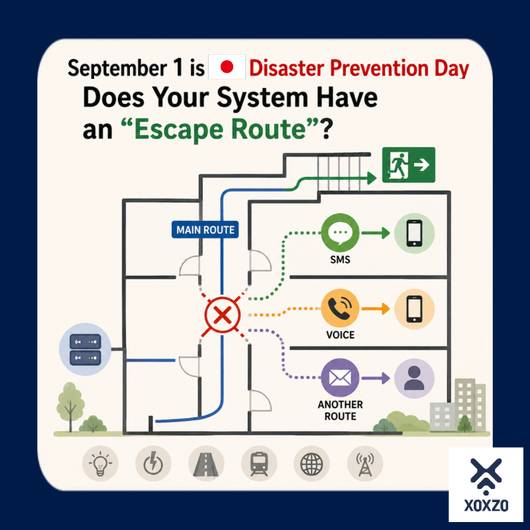
Imagine a service that provides important notifications not only through a website or SMS, but also through voice.
Written information could be converted into speech.
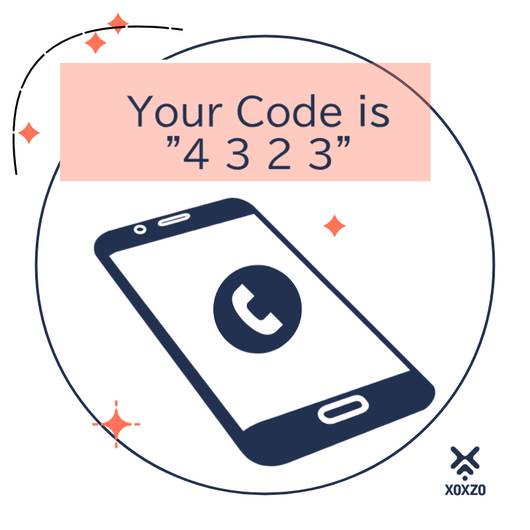
A phone call could provide an important reminder or announcement.
For some users, these approaches could make information easier to access.
Of course, voice alone cannot solve every accessibility challenge.
For people who cannot easily access audio information, written communication remains essential.
And when designing voice notifications, there are other things to consider: clarity, speaking speed, and whether users can listen to the information again.
Accessibility isn't about expecting everyone to use the same method. It's about designing with people's different needs in mind.
That's the perspective we believe matters.
What APIs Can Do
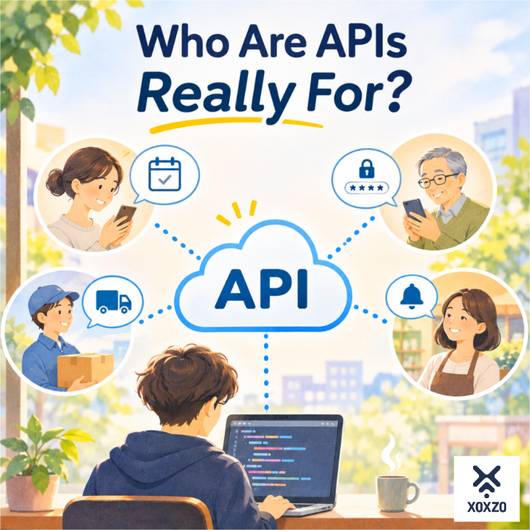
APIs can help developers build services that offer different ways to communicate.
At Xoxzo, we provide APIs for SMS messaging and voice communication.
For example, developers might add phone-based notifications to an existing system or combine voice communication with SMS notifications.
An API, however, is only a tool for integrating functionality.
Who needs to receive the information?
How should it be delivered?
What information needs to be communicated?
These decisions remain in the hands of the people designing the service.
Listening to users, offering different options where appropriate, and testing whether those options actually work are all essential steps.
Over time, these efforts can help create services that more people can use.
Giving People a Choice
When new technologies emerge, we naturally focus on what they make possible.
But there's another question worth asking.
Could this technology offer new possibilities to people who previously found a service difficult to use?
Share information through text.
Share it through voice.
Offer another method when needed.
Each additional option may seem small, but together, they can help make information more accessible.
As we approach December 3, the International Day of Persons with Disabilities, it's worth thinking not only about what we can build with technology, but also about who can use it, and how.
Build what your users need.
And those users are people with many different needs, preferences, and ways of experiencing the world.

Aiko Yokoyama
Customer Success and Operations
Joined January 2014. Experienced as a clerk in Foreign Trading company, started and maintained an online supplement store. Lived in overseas for 15 years. Looking forward to communicating our customers with the broad view based on those experience.