Is SMS Outdated? Why It Still Matters
On December 3, 1992, the world's first SMS (Short Message Service) message was sent.
It contained just two words:
"Merry Christmas"
Nearly 34 years later, SMS is still widely used, even as smartphones, social media, and messaging apps have transformed the way we communicate.
Why is that?
"Hello, May I Speak to...?"
Before mobile phones became common, calling someone's home phone was often the only practical way to reach them.
"Hello, my name is ... May I speak to ... please?"
Making that call could be a little nerve-racking. You never knew which family member might answer, and you had to ask to be connected to the person you wanted to speak with before you could deliver your message.
The arrival of mobile phones and SMS changed that.
With just a mobile phone number, you could send a short written message directly to someone.
There was no need to worry about whether it was a convenient time to call, and no risk of someone nearby overhearing your conversation.
"I'm on my way home."
"I'm at the station."
Simple messages like these became much easier to send.
Even as Messaging Habits Changed
Then came smartphones, followed by messaging apps and social media platforms.
We began sharing photos and videos, chatting in groups, and expressing ourselves through stickers and emojis.
Much of our everyday communication moved to services that offered far more features than traditional SMS.
But SMS has retained one important characteristic:
You can reach someone using their mobile phone number.
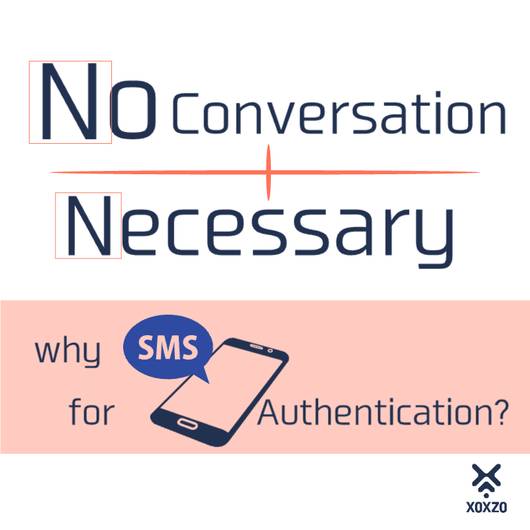
The recipient doesn't need to install a particular app, create an account with a specific service, or log in to receive your message.
If you have their mobile number and their phone supports SMS, you can send them a message.
That simplicity remains one of SMS's greatest strengths.
From Everyday Conversations to Important Notifications
The role of SMS has evolved over time.
Today, SMS is used for a wide range of purposes, including one-time passwords (OTPs) for authentication, appointment reminders, delivery notifications, and important service updates.
Because mobile phone subscriptions generally involve identity verification procedures, phone numbers can also serve as one element in an authentication process.
Of course, a phone number alone cannot establish someone's identity with complete certainty. SMS also has limitations, including delivery failures, messages sent to the wrong number, and potential security risks.
Even so, being able to contact people directly through a device they already carry, without depending on a particular messaging app, remains valuable.
For everyday conversations, we can use the messaging apps we know and love.
For important information that needs to reach someone regardless of which apps they use, SMS can be another option.
Perhaps the question is no longer which communication method is best, but which one is right for the message we want to send.
What Hasn't Changed in 34 Years
When the first SMS was sent in 1992, today's smartphones and messaging apps didn't exist.
Nearly 34 years have passed since then.
Communication technology has changed dramatically, and so have our daily lives.
But the simple desire to send someone a few words hasn't changed.
A technology doesn't have to be new to remain useful.
SMS hasn't survived simply because it's an old technology. It continues to be used because it still has a role to play.
And that role will likely continue to evolve.

Aiko Yokoyama
Customer Success and Operations
Joined January 2014. Experienced as a clerk in Foreign Trading company, started and maintained an online supplement store. Lived in overseas for 15 years. Looking forward to communicating our customers with the broad view based on those experience.