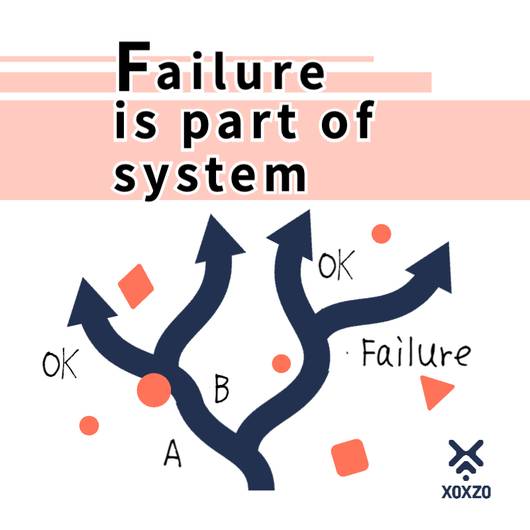
Great systems are quiet.
You don’t notice them when they work. You don’t even notice them when they fail.
Problems happen behind the scenes
In communication systems, issues are inevitable:
- delivery failures
- delays
- intermittent network problems
But not all problems need to be visible.
What is a quiet system?
A quiet system is not one without problems.
It is a system where:
problems are handled before users notice them.
Example: authentication
Even in something simple like SMS authentication:
- delivery delays
- temporary failures
- network instability
can occur.
Yet users experience:
- receiving a code
- entering it
- completing the task
A smooth flow.
Why quietness matters
Users don’t use systems to understand them.
They use them to:
get things done quickly
Noisy systems break trust
If a system:
- shows too many errors
- asks for repeated input
- explains too much
users lose confidence.
Quietness is designed
Quiet systems are built with:
- retries
- timeouts
- status tracking
- fallback mechanisms
These are not visible, but they are essential.
Fallback enables continuity
When SMS fails, voice can take over.
This ensures:
- message delivery continues
- users are not blocked
- even landline users are supported
Invisible effort
Quiet systems appear simple.
But they rely on complex processes behind the scenes.
Conclusion
Great systems:
- don’t demand attention
- don’t over-explain
- don’t create noise
They simply work.
Reliability is quiet.

Aiko Yokoyama
Customer Success and Operations
Joined January 2014. Experienced as a clerk in Foreign Trading company, started and maintained an online supplement store. Lived in overseas for 15 years. Looking forward to communicating our customers with the broad view based on those experience.